

28 September 2026
How Does the Bumper Cut Look When the Towbar Is Finished?
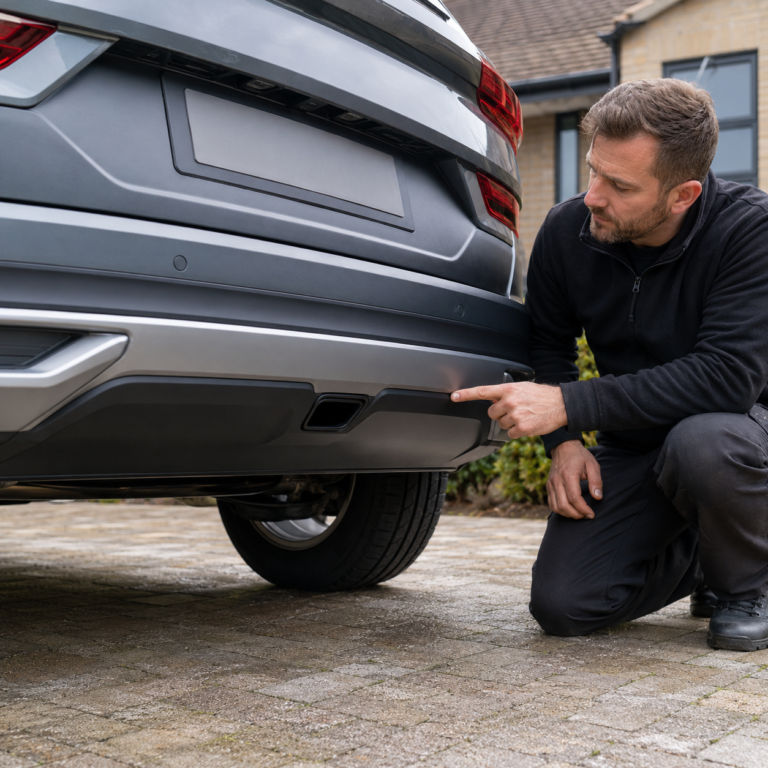
It's one of the most common worries we hear from customers before a fitting: "will you be cutting into my bumper, and will it look awful afterwards?" It's a fair question — nobody wants a neat car left with an obvious hole or rough plastic edges. The good news is that, done properly, the cut is barely noticeable, and in many cases it's invisible altogether.
Why a cut is needed at all
Most bumpers are moulded as one continuous piece with no gap for a tow ball or neck to pass through. To fit a towbar, a section of the bumper's lower skirt has to be removed so the towball or coupling can sit in the correct position. This is standard practice across the industry — it's not a sign of a bodge job, it's simply how a towbar integrates with the vehicle.
What it actually looks like
The cut is made using a manufacturer template specific to your car's make and model, not cut freehand. That template marks out the exact size and shape needed, so the opening is clean, symmetrical and no larger than it needs to be.
Where the cut ends up depends on the type of towbar:
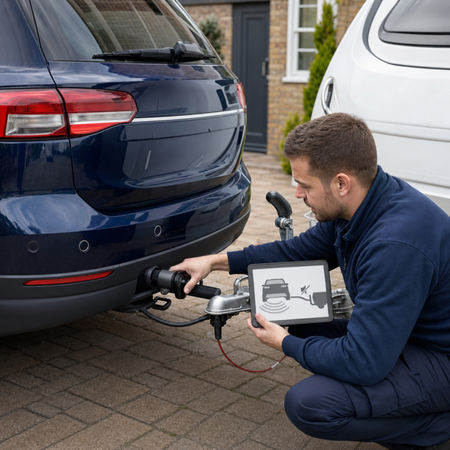
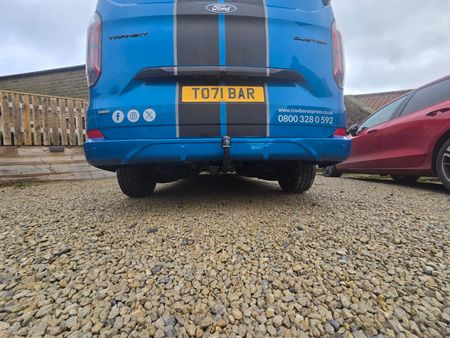
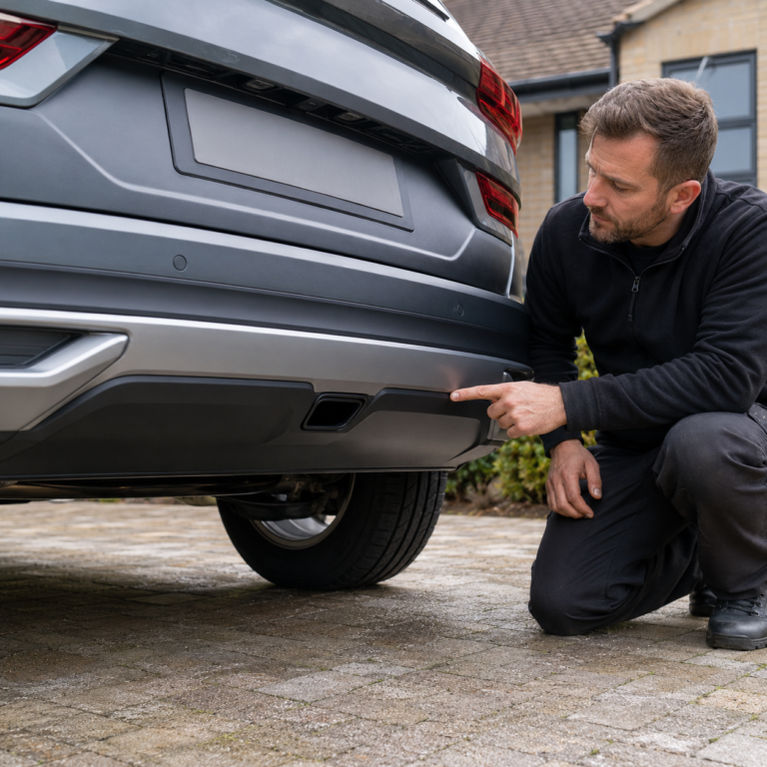
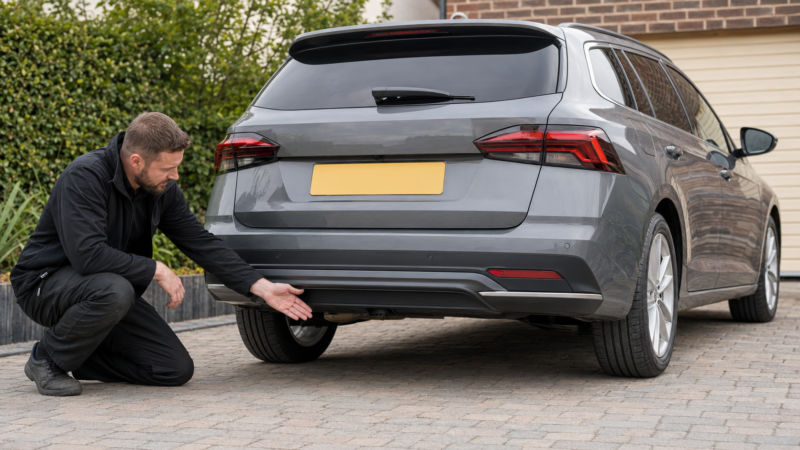
Detachable towbars — the most popular choice — are designed so that once the tow ball is removed, there's nothing to see. The opening sits low down on the underside of the bumper, tucked out of the eyeline of anyone walking past. You'd genuinely have to crouch down and look up under the rear of the car to spot it.
Fixed towbars leave the neck and ball permanently visible, which is expected with that style — the bumper cut itself is still neat, but the ball isn't hidden away.
Flange towbars show a flat mounting plate at the back of the car, again by design, with the cut finished cleanly around it.
The finishing touches
A proper fitting doesn't stop at the cut itself. Most vehicles get a trim piece or cover panel that clips into the opening, smoothing off the edges and giving the bumper a factory-finished look rather than a raw cut edge. On some models, a dedicated OEM cover kit is available from the manufacturer specifically for this purpose, matching the bumper's colour and texture.
A handful of vehicles — usually ones with a shelf-style rear bumper — don't need a visible cut at all, as the towbar tucks in behind the existing bumper moulding. Your fitter will be able to tell you whether your car falls into this category before any work starts.
What to look out for
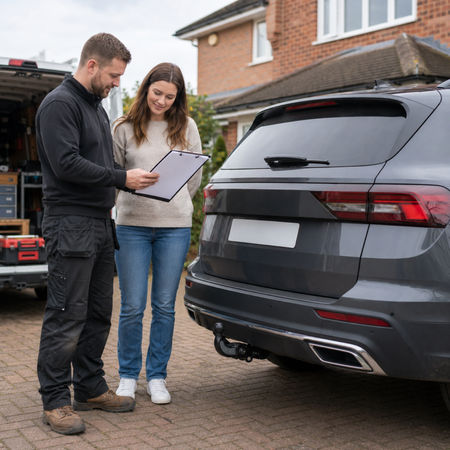
If you want reassurance before booking a fitting, a good sign of quality work is: sharp, even edges rather than jagged plastic; a cut that follows the template precisely rather than looking hand-trimmed; and a trim or cover fitted afterwards so nothing is left exposed. If a fitter can't explain what the cut will look like on your specific model before they start, that's worth asking more questions about.
The takeaway
A properly fitted towbar shouldn't leave your bumper looking damaged or altered at a glance. With a detachable towbar especially, once the ball is off, most people would never know a cut was made at all. If you're weighing up a towbar and want to know exactly what to expect on your car, get in touch with the Towbar Express team — we're happy to talk you through the finish before you commit.